 English
 Chinese (Simplified)
 Khmer
Khmer Lao
Lao Thai
Thai Vietnamese

When shopping for jewellery, the choice of yellow, white and rose gold, 9K gold, 18K gold, gold vermeil (and more!) can seem confusing. How many types of gold are there? This article explains all the different types of gold so that you can choose the best jewellery for you.
Mục lục
How many types of gold are there?
There are 3 main gold colours sold in jewellery, which are yellow gold, white gold and rose gold. Additionally, there are several different qualities of gold, such as 9K, 14K, 18K and 24K gold. We’ll cover all of these below.
1. GOLD COLOURS
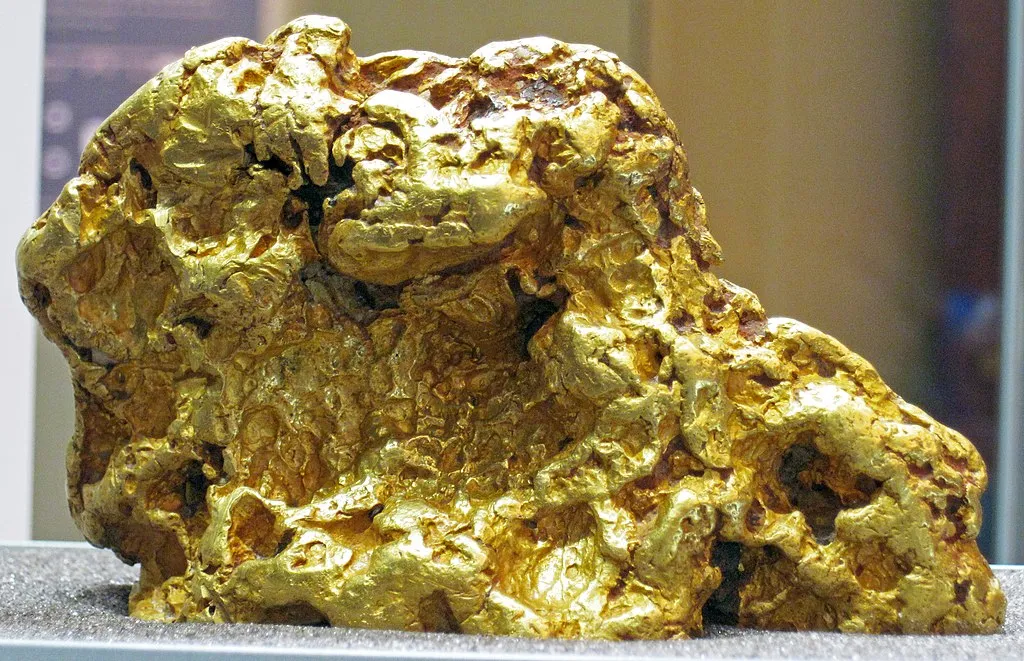
Pure gold, when it is mined from the ground, is naturally yellow.
Take a look at the pure gold nugget pictured below. As you can see, the rich, yellow colour of gold is natural. It comes out of the ground looking like that.
All other gold colours, like white or rose gold, are created by mixing pure gold with other metals.
Yellow gold
Yellow gold is popular in jewellery because of its rich, beautiful glow. Many people say it has a luxurious, classic look.
Yellow gold jewellery isn’t actually pure gold. This is because pure gold alone is too soft and can bend.
Therefore, yellow gold jewellery has to contain some harder alloy metals to keep it in shape (but not to change its natural gold colour).
White gold
White gold is the most popular colour for jewellery.
It is created by mixing pure gold with white alloy metals, such as silver and platinum. Additionally, white gold is given a coating with a precious metal called rhodium.
White gold jewellery does need some maintenance. Every so often, it needs re-coating with rhodium because it wears away and the yellow gold starts shining through.
Rose gold
Rose gold is made by mixing pure gold with copper. Its rosy glow is reminiscent of vintage jewellery and this has had made it more and more popular over the last decade.
Unlike white gold, rose gold is not coated with any other metal, it is solid. However, over time, the copper mixed with the gold can start looking a little redder.
This ageing process is considered desirable in rose gold, as it shows the item is well worn and loved.
Blue, purple and green gold
Rare gold colours are also created using alloys. For example, purple gold is made with aluminium, and green gold with silver, copper and zinc.
Commercially speaking, these rare gold colours are less popular than yellow, white and rose gold. Therefore, we usually only see them in artisan jewellery designs.


 hieuleba
 09.1234.1244
 0912341244